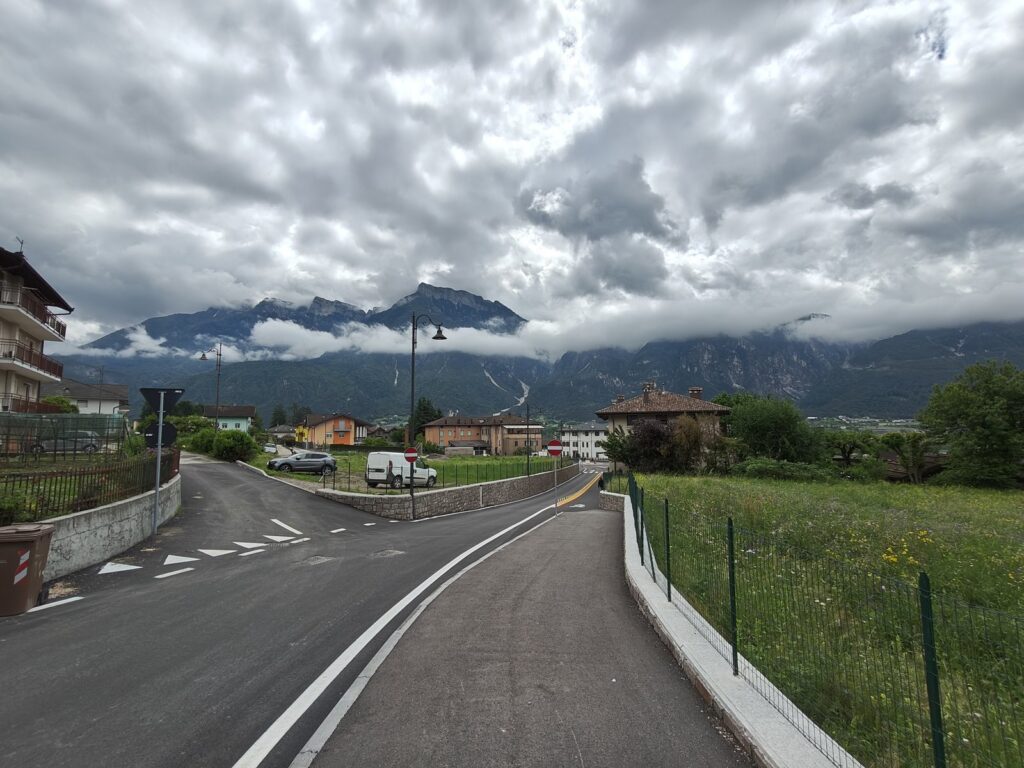
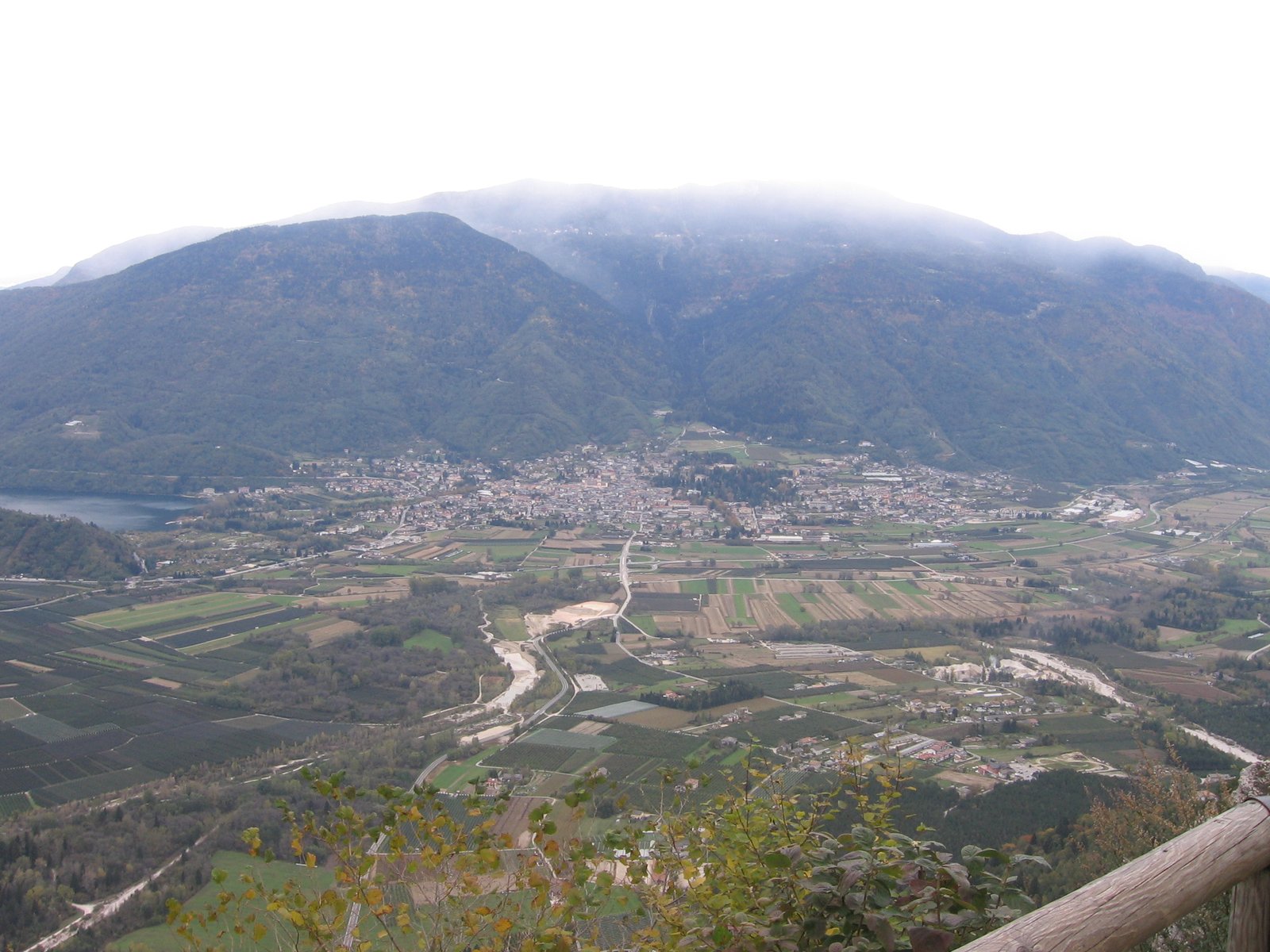
Levico Terme is the main spa town in Valsugana and one of the longest-running spa stations in the Italian Alps. The municipality extends along the north-western shore of Lake Levico, at 506 metres of altitude, and counts some eight thousand inhabitants. It is a town with two faces: on one side the historic settlement, of Austro-Hungarian footprint, organised around Via Vittorio Emanuele and the church of San Biagio; on the other the spa quarter, built in the late nineteenth century on the slopes of Vetriolo and linked to the town centre by a monumental park that is one of the few historic spa parks of true scenic interest in Italy.
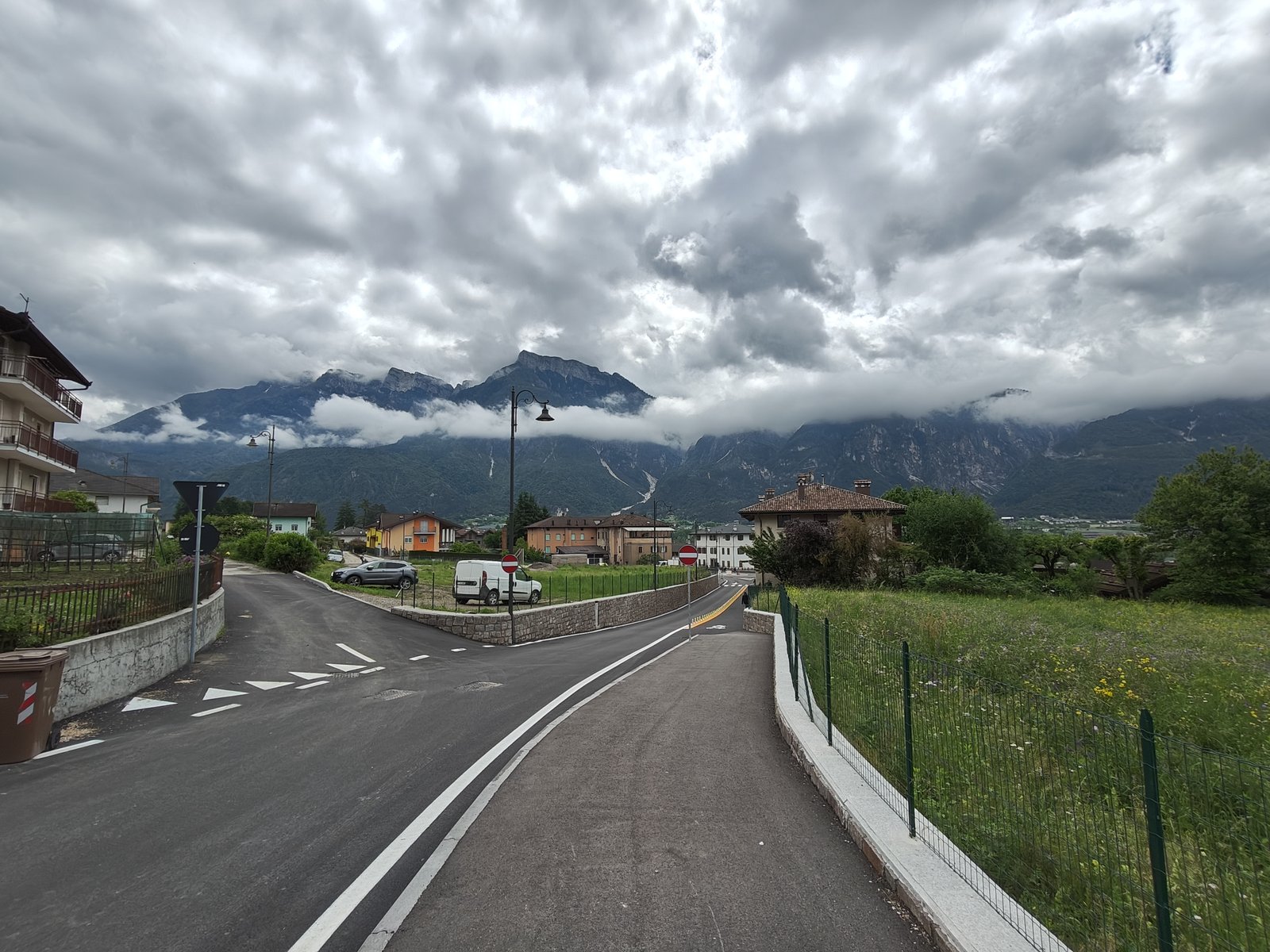
The waters of Levico Terme
The spa identity of Levico is bound up with the spring at Vetriolo, located at around fifteen hundred metres of altitude on the slopes of the mountain of the same name. These are iron- and arsenic-bearing oligomineral waters, among the few in the world with these characteristics, exploited continuously since the second half of the nineteenth century. The temperature at source is low (around 9 degrees) and the water is then treated and used in the facilities at Levico in the valley and at Vetriolo at altitude.
The therapeutic indications traditionally associated with the waters include support in iron-deficiency anaemias, certain skin conditions, and some disorders of the respiratory tract. Treatments are taken under medical regime (under the Italian National Health Service, on prescription and in defined cycles) or under free regime, as a wellness package or single entry. The classic therapies include bath immersions, hydromassage, inhalations, aerosols, mud applications and irrigations; the modern facility adds a wellness area with pools and sensory circuits.
For current opening times, rates and access arrangements it is worth checking the official site of Terme di Levico e Vetriolo. The cure season concentrates between spring and autumn, but the wellness area is generally open year round.
The Habsburg park
The Terme di Levico park, of around fourteen hectares, is one of the largest historic parks in the province. It was laid out from the 1880s around the Grand Hotel Imperiale (today the Imperial Grand Hotel Terme), in the English landscape style, with particular care given to the selection of tree species: Lebanon cedars, sequoias, copper beeches, magnolias and alpine conifers alternate along curving paths that link the play areas, the music pavilion and the formal flower beds. It is classified by the Autonomous Province of Trento as a park of historic and monumental interest.
The park is public, free and open all year. In summer it hosts a concert season in the bandstand, a market of local produce on certain Sundays, and the Ortinparco initiative that celebrates organic gardening. It is a perfect place for family walks, reading in the shade, and nature photography. Not to be missed are the monumental conifer section and the avenue of cedars.
The historic centre
Levico has kept a historic centre of good quality, organised around Piazza della Chiesa with the parish church of San Biagio (eighteenth- and nineteenth-century, with older frescoes inside) and Via Vittorio Emanuele, the main commercial street, lined with shops, cafés, ice cream parlours and historic pasticcerie. The street runs into Piazza Garibaldi, the real social heart of the town, with the town hall and the nineteenth-century fountain. More hidden, but worth a visit, is Casa Andriollo with its late Renaissance frescoes.
The town has held on to a human scale and a spa-town vocation that you sense in the busier seasons: the spa clients walk through the centre in the afternoon, the outdoor tables fill up, and the pasticcerie sell out of fresh products by lunchtime. From September to May, by contrast, the atmosphere is more residential, almost suspended.
Vetriolo: the outpost in the heights
Vetriolo Terme is the hamlet of Levico set at 1,500 metres of altitude, reachable by car in about twenty minutes from the valley. Historically it is the alpine outpost of the cure station: a second spa facility, a few mountain hotels, and an excellent panoramic position over the Alta Valsugana. It is the starting point for hikes on Vetriolo and Panarotta and for the traverse to the Vezzena plateau. In winter it is a minor ski station, served by the lifts of the Panarotta complex, but its profile is above all a summer one. It is a destination we would recommend for those seeking a spa stay with a more pronounced alpine quotient.
What to eat in Levico Terme
The cooking of Levico follows the mid-altitude Trentino tradition. On local menus you find the classic dishes of the valley: Caldonazzo trout or valley-farmed trout, either marinated or baked; gnocchi alla trentina, sometimes in the “gnocchi all’asino” peasant variant; canederli (more northern, but common); game in the autumn months; alpine cheeses from the Lagorai pastures. The historic pasticcerie of the centre serve strudel, krapfen, and zelten in the winter season. For the contacts and reviews of individual venues we refer the reader to the official pages of the municipality or to independent review sites, steering clear of proprietary rankings.
Events through the season
Levico hosts sporting events in summer (rowing regattas on the lake, tennis tournaments, sailing races), a music season in the park bandstand, and gastronomic events tied to the Lagorai alpine pastures. In December it puts on one of the most visited Christmas markets in the province, spread between the Habsburg park and the streets of the centre, particularly popular with Venetian and Lombard visitors. The exact dates vary from year to year and are published on the website of APT Valsugana and on that of the Levico Terme municipality.
- Lake Levico — features, swimming, lakeside trails.
- The Valsugana cycle path — passes right by Levico and its lake.
- The history of Valsugana — Levico under the Habsburgs and in the Great War.
- Valsugana holidays — when to come and how to organise your stay.
- Back to the home page